Fort Monroe Welcomes $20M Housing Investment, Honors History and Community
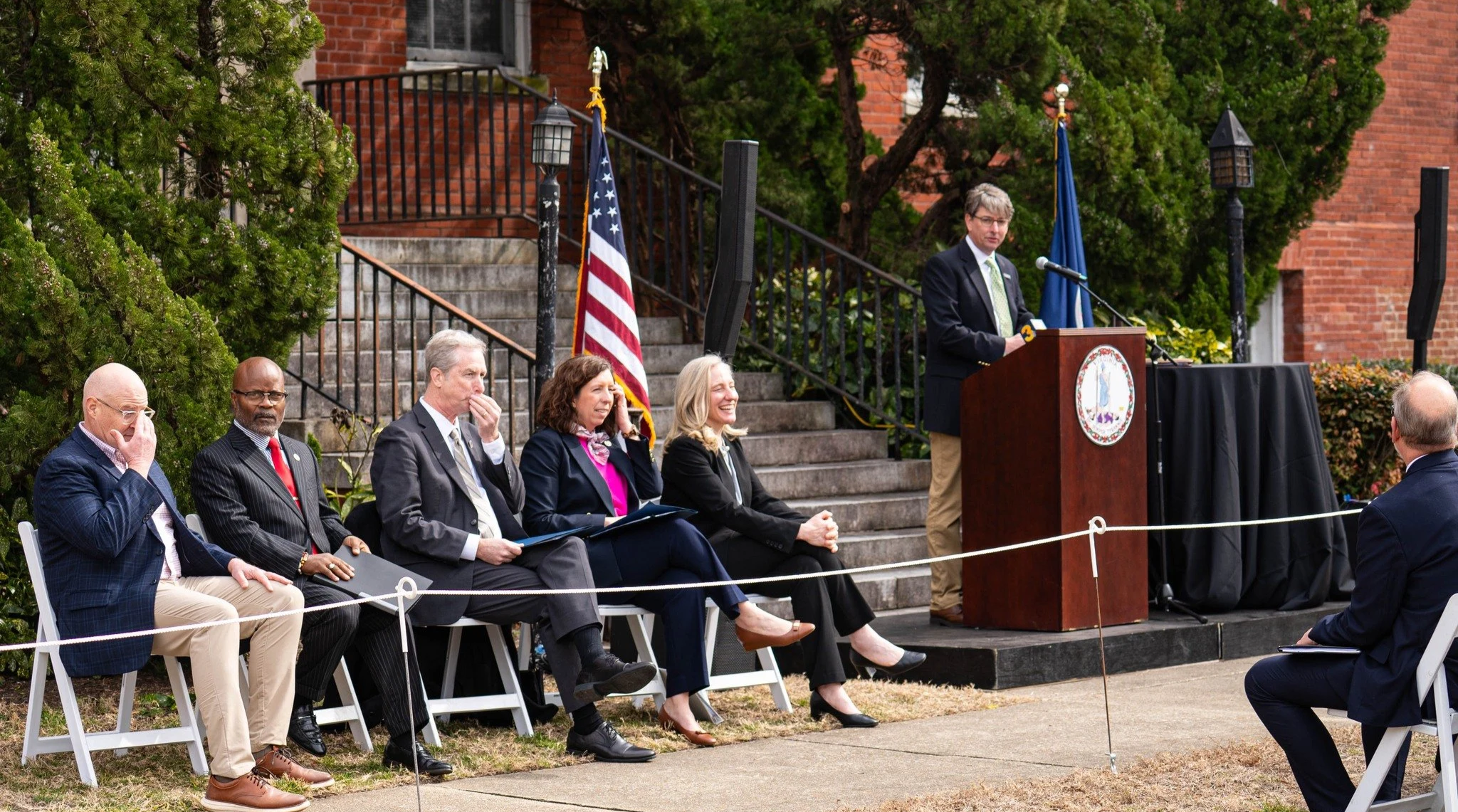
In February 2026, Virginia Governor Abigail Spanberger handed over the keys to a major new chapter in Fort Monroe’s ongoing reinvention: a $20 million investment by Echelon Resources Inc. to transform two historic structures into housing. The project represents one of the largest private residential investments on the fort in recent years and signals continued confidence in Fort Monroe’s future as both a historic destination and vibrant community.
The project builds on redevelopment groundwork laid during the Youngkin administration under former Fort Monroe Authority CEO Glenn Oder, and will transform the historic Post Hospital and Old Arsenal into roughly 85 new apartment residences. Construction is expected to begin in late 2026 or early 2027, with completion projected around 2028.
With Echelon’s earlier redevelopment work at Fort Monroe — two nearby buildings converted into 78 market-rate apartments and due to open this summer — the company’s total investment at the fort exceeds $35 million to date.
Why This Matters
The initiative is part of a broader statewide effort to address housing supply shortages while respecting community character. Governor Spanberger noted that Virginia needs more housing options, and this project illustrates how historic adaptive reuse can contribute without undermining the integrity of cherished landmarks.
Fort Monroe’s historic fabric, encompassing nearly 565 acres of military, cultural, and African American history, remains central to development plans. The site is a National Historic Landmark District, meaning any substantial modifications must comply with strict preservation guidelines overseen by agencies like the Virginia Department of Historic Resources and subject to historic tax credit programs that encourage preservation-oriented rehabilitation.
Myth-Busting: What This Project Is and Isn’t
Myth #1: “This will become Section 8 or subsidized housing.”
Fact: The new units are planned as market-rate apartments, similar to other recent Echelon developments at the fort. There is no announcement indicating these will be subsidized or part of low-income housing programs — they are intended to expand housing options in Hampton while integrating with existing residential offerings.
Myth #2: “Historic buildings are going to be destroyed to make way for apartments.”
Fact: Historic preservation law governs Fort Monroe’s redevelopment. The Post Hospital and Old Arsenal will be rehabilitated, not demolished, and interior and exterior historic elements will be preserved under the Virginia Historic Rehabilitation Tax Credits Program. This means the character-defining features that make these buildings historically significant will remain intact.
Myth #3: “This project signals unchecked development across the fort.”
Fact: Fort Monroe’s redevelopment is guided by a reuse plan and preservation principles rigorously developed and laid out by the Fort Monroe Authority and state entities. Every adaptive reuse project must balance economic vitality with conservation, ensuring that growth enhances community life without erasing the site’s rich heritage.
Looking Ahead
As Fort Monroe continues to attract thoughtful investments like this one, the combination of preservation and innovation is creating a dynamic residential and cultural environment. With new apartments coming online and more redevelopment projects in the pipeline, the fort’s historic buildings will remain landmarks — not relics — as they find new life for modern residents.